Since January 1, 2025: new R-410A systems from pre-2025 components only

The same outdoor unit can be a 15.2 or a 19.5.

SEER2 belongs to the pair, not the box. Match the wrong indoor unit and your customer loses the rebate they were promised — and you find out at the inspection. Type a model number and see every certified match, the real numbers for each one, and what replaces it now that R-410A is on its way out of new systems.

1 outdoor unit · 60 certified indoor unitsR-454B
One outdoor unit, three different indoor unitsA Carrier outdoor unit, model 27VPA924A*030*, connected by a line set to an indoor unit. Swapping the indoor unit changes the certified SEER2 from 15.2 to 19.5.INDOORSOUTDOORSINDOOR UNITFT5BD3617X*OUTDOOR UNIT27VPA924A*030*
Certified SEER2 for this pair
19.5
EER2
14
HSPF2
8.6
13161830
Carrier 27VPA924A*030*: certified SEER2 ranges from 15.2 to 19.5 across 60 indoor units.

Try it on the unit in front of you

Type the model number from the nameplate — outdoor or indoor unit. Partial numbers work. No sign-up.

No nameplate handy? Try ML17XP1 or 27VPA9.

56,454
certified pairs
12,687
outdoor units
35,756
R-410A → A2L paths
283
brands

What you get

Three things you can't look up fast anywhere else

Every indoor unit that matches

A single outdoor unit can carry over a hundred certified indoor matches. You get the list, sorted by efficiency, with the AHRI reference number for each pair to put on the rebate paperwork.

  • One line per indoor unit — not one per certification
  • Search by the outdoor or the indoor model number
  • Browse by brand when you have no model in hand
27VPA924A*030* · indoor units
CR
27VPA924A*030*
Carrier · 2 ton · 60 certified indoor units
  • FT5BD3617X*19.5
  • CAA**3721AM*19
  • FT5BD2417X*19
  • CVAVA3617XMA*19

Showing 4 of 60, highest SEER2 first

The number for that exact pair

Not the brochure number — the certified SEER2, EER2, HSPF2, capacity at 47°F, 17°F and 5°F, and COP at 5°F for the combination you are actually installing.

  • ENERGY STAR Cold Climate and Most Efficient flags, per pair
  • The best pairing first, and how much the worst one costs you
  • Certification date and the AHRI reference on every pair
27VPA924A*030* + FT5BD3617X*
Best pairing
FT5BD3617X*
ENERGY STAR Cold Climate
SEER2
19.5
EER2
14
HSPF2
8.6
Cooling BTU/h
23,800
Heat @ 47°F
22,400
Heat @ 17°F
20,400
Heat @ 5°F
21,200
COP @ 5°F
1.9

AHRI ref 218695489 — the number that goes on the rebate paperwork

What replaces the R-410A

Look up the unit you are pulling out and get ranked A2L replacements: same brand first, capacity within 15%, and a plain note on what you gain or lose on cold-climate certification.

  • 4,481 R-410A outdoor units mapped to A2L candidates
  • Never a 2-ton suggested in place of a 3-ton
  • Works both ways: see which R-410A units an A2L model can replace
ML17XP1-036-230A** · replacements
Pulling out
LN
ML17XP1-036-230A**
Lennox · 3 ton · SEER2 up to 16.8
R-410A
Going inBest fit
LN
SL22KLV-036-230A**
Lennox · 3 ton · SEER2 up to 20.5
R-454B

same brand · gains cold-climate certification · SEER2 up to 20.5 (was 16.8)

1 of 8 ranked A2L candidates for this unit
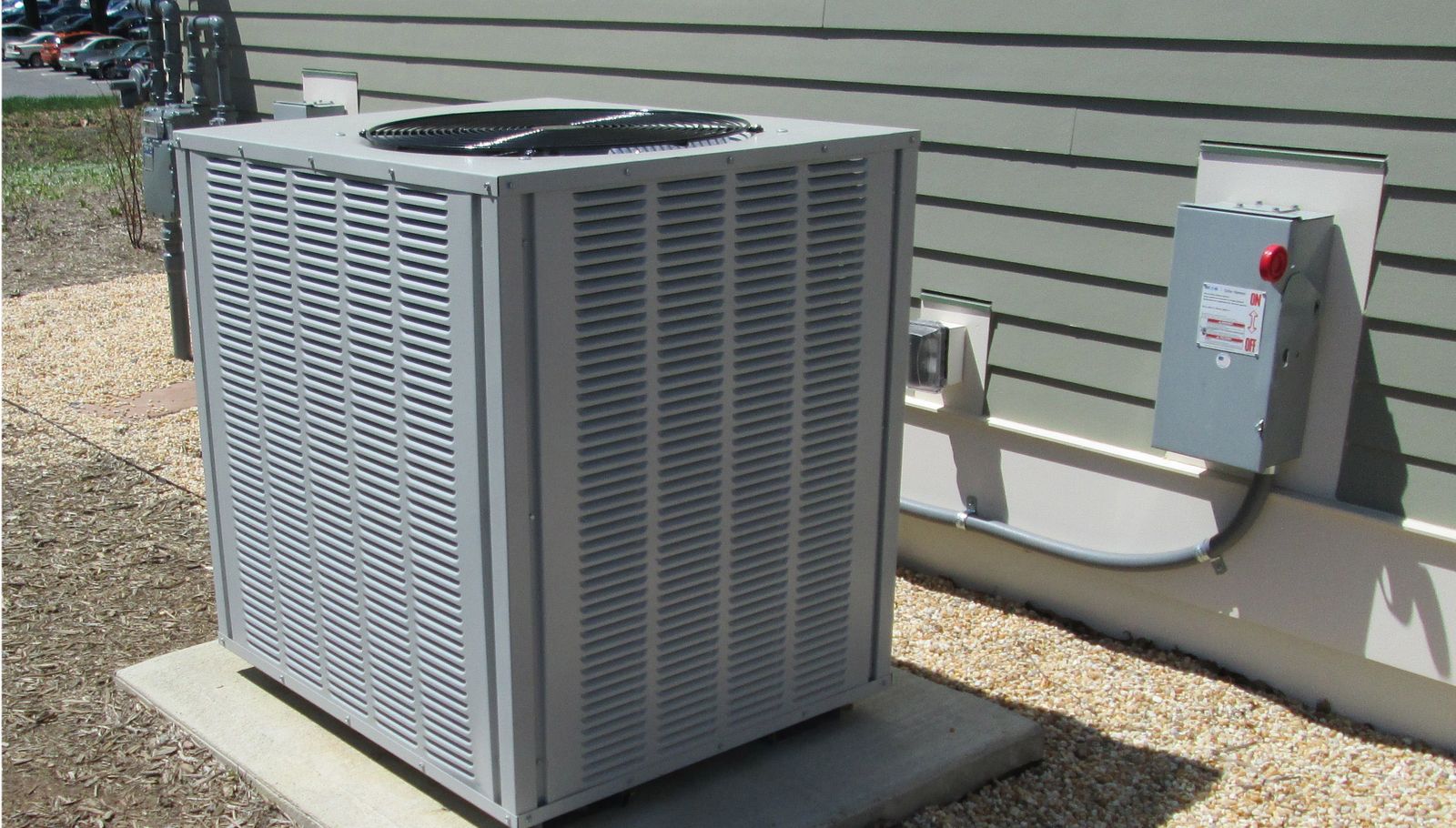
A residential outdoor unit on a concrete pad beside a house with green siding, with its electrical disconnect on the wall
The outdoor unit is half of the rating. The indoor unit it is matched with is the other half.
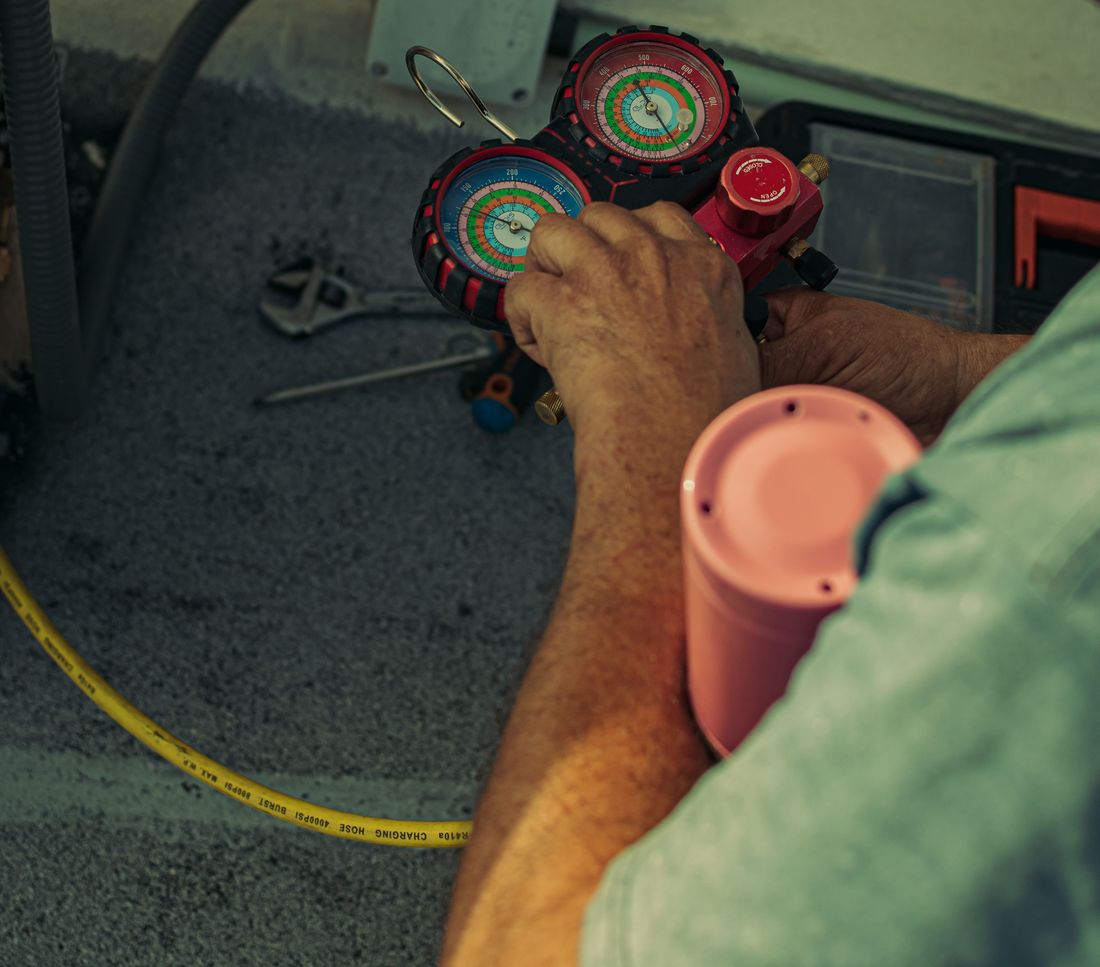
A technician’s hands holding a manifold gauge set connected to an R-410A charging hose
Gauges on an R-410A system. The ones already installed can still be serviced.
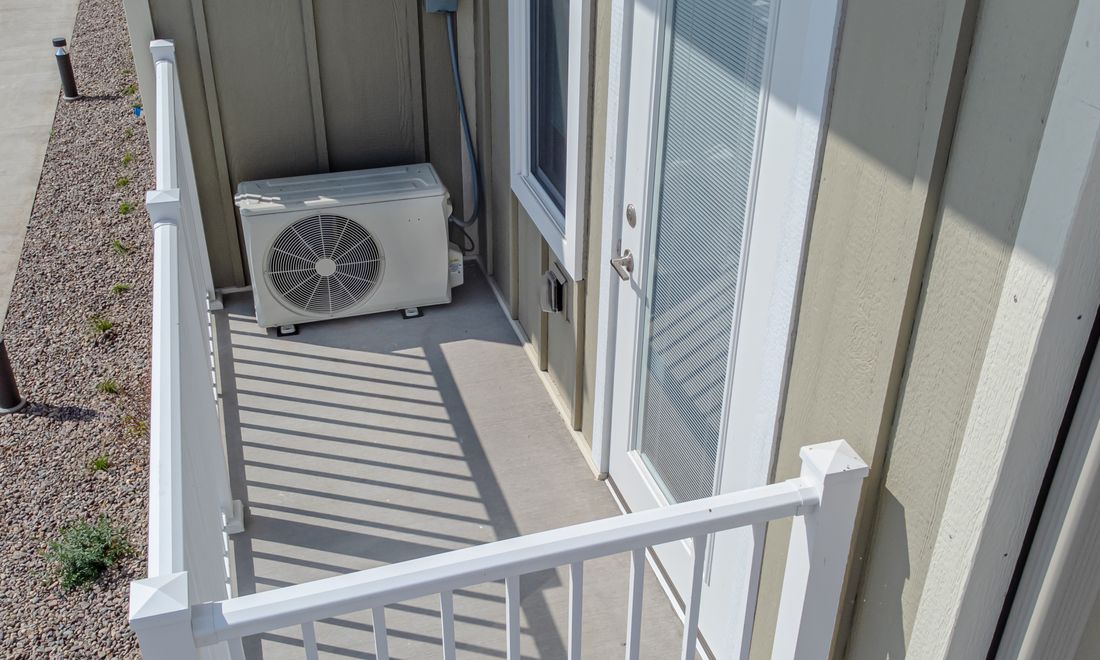
The outdoor unit of a ductless mini-split on a balcony, with its disconnect on the wall
A ductless mini-split. Same cycle, no ducts — and the same rule about the pair.

Photographs are illustrative. Photo credits.

Cold-climate check

What does it put out on your coldest day?

Every pair carries its certified heating capacity at 47°F, 17°F and 5°F. Pick your city once and the lookup reads those numbers against your winter design temperature — the cold day you design for, not the record low.

CityWinter design temp
Fargo, North Dakota-14.5°F
Minneapolis, Minnesota-6.2°F
Denver, Colorado5.1°F
New York City, New York17.8°F
Atlanta, Georgia26.4°F
Houston, Texas33.8°F
Miami, Florida51.9°F

169 cities across all 50 states, D.C. and Puerto Rico. See the full table. That is equipment capacity — what the house needs that day is a Manual J load calculation.

Anchorage: -4.8°F winter design temperature (coldest of 1 listed city)AK-5°Togus: 1.3°F winter design temperature (coldest of 1 listed city)ME1°Tomah: -4.5°F winter design temperature (coldest of 3 listed cities)WI-4°White River Junction: -5.5°F winter design temperature (coldest of 1 listed city)VT-5°Manchester: 7.1°F winter design temperature (coldest of 1 listed city)NH7°Spokane: 11.7°F winter design temperature (coldest of 4 listed cities)WA12°Boise: 15.5°F winter design temperature (coldest of 1 listed city)ID16°Miles City: -9.2°F winter design temperature (coldest of 2 listed cities)MT-9°Fargo: -14.5°F winter design temperature (coldest of 1 listed city)ND-14°St. Cloud: -11.4°F winter design temperature (coldest of 2 listed cities)MN-11°Chicago Lakeside Clinic: 3.7°F winter design temperature (coldest of 5 listed cities)IL4°Iron Mountain: -6.3°F winter design temperature (coldest of 6 listed cities)MI-6°Albany: 3.9°F winter design temperature (coldest of 13 listed cities)NY4°Leeds: 5.1°F winter design temperature (coldest of 5 listed cities)MA5°White City: 26.1°F winter design temperature (coldest of 3 listed cities)OR26°Reno: 17.6°F winter design temperature (coldest of 2 listed cities)NV18°Sheridan: -4.1°F winter design temperature (coldest of 2 listed cities)WY-4°Sioux Falls: -7.3°F winter design temperature (coldest of 2 listed cities)SD-7°Des Moines: -0.2°F winter design temperature (coldest of 3 listed cities)IA0°Ft Wayne: 5°F winter design temperature (coldest of 3 listed cities)IN5°Dayton: 8.1°F winter design temperature (coldest of 5 listed cities)OH8°Butler: 8.8°F winter design temperature (coldest of 8 listed cities)PA9°East Orange: 16.6°F winter design temperature (coldest of 2 listed cities)NJ17°West Haven: 9.8°F winter design temperature (coldest of 2 listed cities)CT10°Providence: 12.9°F winter design temperature (coldest of 1 listed city)RI13°Sacramento/ Mather: 32°F winter design temperature (coldest of 11 listed cities)CA32°Salt Lake City: 14.2°F winter design temperature (coldest of 1 listed city)UT14°Denver: 5.1°F winter design temperature (coldest of 3 listed cities)CO5°Omaha: 0.6°F winter design temperature (coldest of 3 listed cities)NE1°Kansas City: 7.2°F winter design temperature (coldest of 4 listed cities)MO7°Lexington: 13.6°F winter design temperature (coldest of 2 listed cities)KY14°Clarksburg: 7.5°F winter design temperature (coldest of 4 listed cities)WV8°Richmond: 19.3°F winter design temperature (coldest of 3 listed cities)VA19°Baltimore: 17.9°F winter design temperature (coldest of 2 listed cities)MD18°Wilmington: 17.3°F winter design temperature (coldest of 1 listed city)DE17°Prescott: 20.7°F winter design temperature (coldest of 3 listed cities)AZ21°Albuquerque: 21.6°F winter design temperature (coldest of 1 listed city)NM22°Leavenworth: 7.2°F winter design temperature (coldest of 3 listed cities)KS7°Fayetteville: 16.2°F winter design temperature (coldest of 3 listed cities)AR16°Mountain Home: 17.7°F winter design temperature (coldest of 4 listed cities)TN18°Asheville (Oteen): 18.9°F winter design temperature (coldest of 4 listed cities)NC19°Columbia: 26.5°F winter design temperature (coldest of 2 listed cities)SC27°Washington DC: 20.7°F winter design temperature (coldest of 1 listed city)DC21°Oklahoma City: 18.9°F winter design temperature (coldest of 2 listed cities)OK19°Shreveport: 28.4°F winter design temperature (coldest of 3 listed cities)LA28°Jackson: 26.7°F winter design temperature (coldest of 3 listed cities)MS27°Birmingham: 24.8°F winter design temperature (coldest of 4 listed cities)AL25°Augusta: 26.1°F winter design temperature (coldest of 4 listed cities)GA26°Honolulu: 63.9°F winter design temperature (coldest of 1 listed city)HI64°Amarillo: 15.6°F winter design temperature (coldest of 10 listed cities)TX16°Gainesville: 33.4°F winter design temperature (coldest of 7 listed cities)FL33°San Juan: 70.4°F winter design temperature (coldest of 1 listed city)PR70°
below 0°F0 to 15°F15 to 30°F30 to 45°F45°F and up

Coldest listed city in each state, 99% winter design dry-bulb, °F. Source: U.S. Department of Veterans Affairs, HVAC Design Manual, Table 7-1.

Drawn for the trade

Diagrams you can actually read

16 technical drawings made for this site — no stock art, no manufacturer brochure. They carry the course and the field guide, in light and dark, readable on a phone.

The refrigeration cycleRefrigerant flows in a loop: evaporator (indoors, absorbs heat) to compressor (raises pressure) to condenser (outdoors, rejects heat) to metering device (drops pressure) and back. The compressor and metering device divide the high-pressure side from the low-pressure side.LOW-PRESSURE SIDEHIGH-PRESSURE SIDEcold · indoorshot · outdoorsEVAPORATORindoor coilHEAT INfrom room airCONDENSERoutdoor coilHEAT OUTto outside airCOMPRESSORraises pressure — the only part that uses real powerMETERING DEVICETXV or piston — drops the pressurelow-pressurecold liquid + vaporlow-pressurecool vaporhigh-pressurehot vaporhigh-pressurewarm liquidNothing here makes cold. Heat is moved from the left coil to the right coil.

The whole trade in one loop: where the heat goes in, where it comes out, and the line between the high side and the low side.

Included with access

A course that starts from zero

One idea per lesson, a checkpoint after each, technical diagrams drawn for this course. And the lessons open real certified equipment in the lookup, so you learn on the data you will work with.

Understanding and certification prep. It does not teach hands-on brazing, evacuation, charging or live electrical work — those need supervised training, and A2L refrigerants are mildly flammable. It does not issue any EPA credential; you sit the 608 with an EPA-approved certifying program.

Level 1 · 20 lessons

Heat Mover

From zero. Name every part of a split, mini-split or heat pump, and read any nameplate.

Level 2 · 23 lessons

Equipment Reader

Why SEER2 belongs to the pair. R-410A, R-32, R-454B and the A2L transition, read — not touched.

Level 3 · 12 lessons

608 Candidate

Core, Type I, II, III. The law, the numbers and the traps, with a checkpoint after every lesson.

Free field guide

Reference you can cite

The rules and numbers a residential tech gets asked about, each one with the federal source next to it. Open to everyone — no sign-up.

Refrigerant quick referenceR-22, R-410A, R-32 and R-454B side by side: what is in each one, safety class, GWP, and where it stands today.R-410A: what is banned and what is notThe three dates people mix up — manufacture, installation and service — with the federal rule behind each one.SEER2, EER2, HSPF2 and the federal minimumsWhat each rating measures, the DOE minimum for your state, and what ENERGY STAR and Cold Climate require on top.Winter design temperature by cityThe cold day you design for, in 169 U.S. cities across every state — and how to read it against a heat pump’s certified capacity.EPA 608 at a glanceThe four certification types, what each one lets you work on, and the rules every technician is held to.How to read a nameplateModel, refrigerant, charge, MCA and max fuse — which line answers which question, on one labeled drawing.How a heat pump moves heatThe refrigeration cycle, the reversing valve, and where every part of a split and a mini-split lives.Where to find replacement partsParts follow the manufacturer, not the label: who makes which brand, the official parts channel for each, and what to have in hand.What usually fails, and what the repair involvesThirty-five documented failure points on heat pump systems — symptom, usual cause, what the fix takes and who is allowed to do it.Safety recalls: residential HVAC since 2010Every CPSC recall of residential heat pumps, air handlers, coils, packaged units and furnaces — models, hazard and remedy, in CPSC’s own words.Coil leaks and TXVs: three court-approved settlementsWhat the court records say about the Lennox, York and Trane class settlements — who was covered, what was alleged, what the manufacturer answered.Open the whole field guide11 reference pages, every figure with its source and the date it was checked.

Pay once. It stays yours.

No subscription, no seat count, no renewal. The diagnostic platforms on your phone bill $39–$99 per tech per month. This is one payment for permanent access, and the data is refreshed every week from the federal ENERGY STAR certification database.

  • Unlimited lookups, on any device
  • AHRI reference number on every pair
  • A2L replacement paths for R-410A equipment
  • Winter design temperature for 169 U.S. cities, tied to what each pair actually puts out that day
  • The course, 55 lessons, included
  • Members-only forum: field notes from other technicians, by model
  • 15-day refund, requested from your own dashboard
$39.00
one time
Get access

15-day refund, no email needed

Questions before you buy

Is this a subscription?

No. One payment of $39.00 and the access does not expire. There is no renewal and nothing to cancel. If it is not for you, there is a 15-day refund you request from your own dashboard.

Where does the data come from?

The equipment data is the U.S. EPA ENERGY STAR certified air-source heat pump list, a public federal dataset. We re-import it every week. The AHRI reference number for each pair is part of that dataset. Design temperatures come from the U.S. Department of Veterans Affairs HVAC Design Manual. Sources are listed on the credits page.

Is my equipment in it?

It covers ENERGY STAR certified air-source heat pumps — split systems, mini and multi splits and single-package units — 12,687 outdoor units from 283 brands. Straight air conditioners and furnaces are not in it. The search at the top of this page is the real database: check your model before you pay.

Does it tell me how to install or charge a system?

No. It reports certification data and federal rules; the installation decision is yours and the manufacturer's instructions govern. Always confirm the refrigerant on the nameplate — R-32 and R-454B are not interchangeable.

Does it work on my phone?

Yes. It is a website built for a phone in one hand: nothing to install, and it works on any device with a browser.

How do I sign in after I pay?

There is no password. You sign in with the email you used at checkout.